
DNA Testing Services
Accurate. Accredited. Admissible.
With our AABB partner laboratory we offer testing for legal, immigration, and personal purposes — with strict chain-of-custody collection and results you can trust.
WHAT WE OFFER
Choose Your DNA Test
Every test is processed through our AABB partner laboratory with strict chain-of-custody protocols. Select a service below to learn more.

Paternity DNA Testing
Determine the biological father with >99.9% accuracy. Legal and personal testing available — court-admissible for custody, child support, and immigration.

Paternity Test While Pregnant
Non-invasive prenatal paternity testing as early as 7 weeks into pregnancy. Risk-free for mother and baby — no needle insertion into the womb.

Grandparent DNA Testing
Establish paternity when the alleged father is unavailable by testing the paternal grandparents. Ideal for inheritance and immigration cases.

Sibling DNA Testing
Determine if two individuals share one or both biological parents. Full vs half sibling testing available for legal and personal purposes.

Aunt / Uncle DNA Testing
Avuncular testing establishes paternity through the alleged father's siblings when the father is unavailable. Legal and personal options available.

Maternity DNA Testing
Confirm the biological mother-child relationship with >99.9% accuracy. Used for immigration, surrogacy verification, and adoption.

Coroner Paternity Testing
Establish paternity after the alleged father's death using blood stain cards or tissue samples from the Medical Examiner's Office.
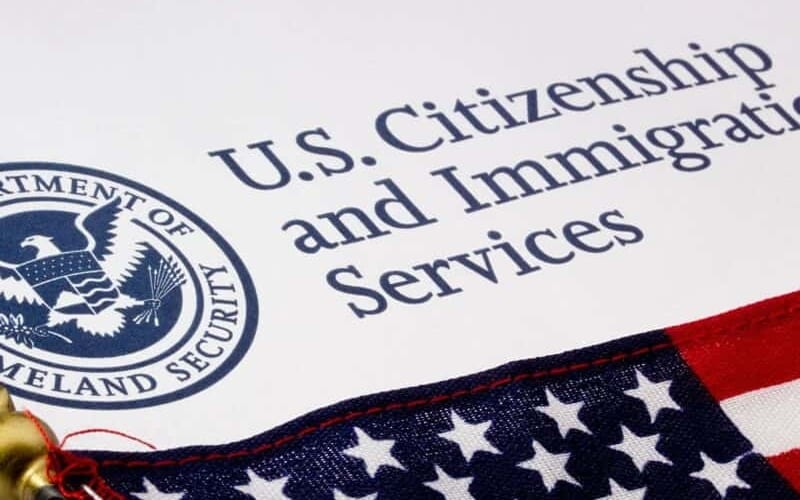
Immigration DNA Testing
AABB partner laboratory testing accepted by USCIS and U.S. embassies worldwide. Required for family-based immigration petitions and citizenship applications.
AABB Partner Laboratory. Court-Admissible.
Every DNA test is processed through our AABB partner laboratory with strict chain-of-custody protocols — results accepted by courts, government agencies, and embassies worldwide.
DNA TESTING RESOURCES
Guides & Articles
Expert guidance to help you understand your options and choose the right DNA test for your situation.
Prenatal or Paternity Testing During Pregnancy: What Expecting Parents Should Know
Waiting until birth to know who the father is can feel like a very long time. A non-invasive prenatal paternity test can give you answers during pregnancy, using a simple blood draw from the mother and a cheek swab from the possible father.
During pregnancy, small fragments of the baby's DNA circulate in the mother's bloodstream. The lab separates this fetal DNA from the mother's DNA and compares it to the alleged father's DNA — no needle-based procedures required.
When can we test? The mother's blood can be drawn as early as 10 weeks of pregnancy, but 12 weeks or later is preferred.
Important: Results are informational only and cannot be used in court. Legal matters such as custody or child support require a legal paternity test from an AABB partner laboratory with full chain of custody.
Turnaround is 4–7 business days from the day the lab receives the samples. More than one alleged father can be tested at the same time.
Immigration DNA Testing: What to Expect, Step by Step
If USCIS or a U.S. Embassy has suggested a DNA test to confirm a family relationship, the process is clear once you know who does what.
Key facts: DNA testing is usually suggested, not required. Only AABB partner laboratory results are accepted by the U.S. Department of State.
Step 1 — Paperwork: The lab needs a complete copy of the notice from USCIS, the U.S. Embassy, or a passport agency, showing petitioner and beneficiary names, the case number, and where results should be sent.
Step 2 — U.S. testing: Each participant brings a current government-issued photo ID. We collect cheek swabs and ship samples directly to the lab under strict chain of custody.
Step 3 — Abroad: The lab ships a collection kit to the U.S. Embassy in the beneficiary's country. The embassy contacts the beneficiary to schedule the appointment.
Results are emailed to the petitioner within 1–2 business days of completion, then sent to the government agency.
Understanding DNA Relationship Testing: Which Test Is Right for You?
DNA relationship testing analyzes genetic markers shared between individuals to determine biological relationships — from paternity and maternity to grandparent, sibling, and avuncular testing.
When the alleged father is unavailable (deceased, missing, or unwilling), DNA may still be obtained from alternative biological sources such as blood samples, tissue, teeth, hair with roots, nail clippings, or bone samples.
Including the mother improves accuracy. A child inherits half their DNA from their mother. When the mother's DNA is included, laboratories can more easily identify which genetic markers came from the father — increasing accuracy across nearly all relationship test types.
Siblingship testing helps determine whether two people are biologically related as siblings. The appropriate test depends on whether the individuals share the same mother and whether parentage is known.
Not sure which test applies to your situation? Our specialists will walk you through your options with complete confidentiality.
Ready to Get Answers?
Our team is available to guide you through the right test for your situation. Confidential, accurate, and fast.